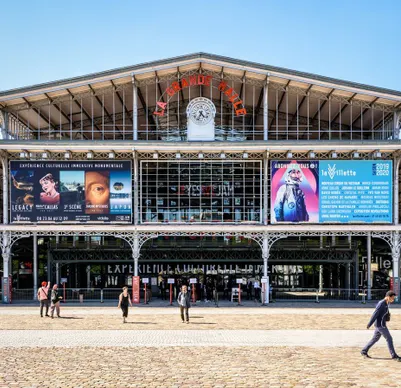
Parc de la Villette The cultural and leisure park of Paris
The Parc de la Villette is located in the 19th arrondissement of Paris, France. It is one of the largest green spaces in the city, offering a variety of cultural activities, gardens, fountains, and relaxation areas.
How to get to Parc de la Villette?
The Parc de la Villette is located in the 19th arrondissement of Paris, France. The park is one of the largest green spaces in the city and offers a variety of cultural activities, gardens, fountains, and relaxation areas.
Its exact address is 211 Avenue Jean Jaurès, 75019 Paris.
The site notably houses the Cité des Sciences et de l'Industrie, the Grande Halle de la Villette, the Philharmonie de Paris, and other cultural facilities.
Schedules and practical information
The Parc de La Villette is an open space, accessible to the public.
Parc de la Villette: free entry?
The Parc de la Villette is accessible for free if you do not enter the activity areas such as the cinema or the Géode.
Entrance fees to the Parc de la Villette vary depending on the activities offered. It is recommended to check the official website for the most up-to-date information on prices and ticketing. Please note that it is always best to verify the opening hours on the official website before your visit.
Parc de la Villette: the optimal route
To get to the Parc de la Villette, you can use various means of transport:
- BUS 75, 151: Stop Porte de Pantin
- BUS 139, 150, 152: Stop Porte de la Villette
- Metro 5: Stop Porte de Pantin
- Metro 7: Corentin Cariou or Porte de la Villette
- Tramway 3B: Stop Porte de Pantin or Porte de la Villette
Don't forget to check the schedules and routes before your visit.
Practical tips for visiting Parc de la Villette
During your visit to Parc de la Villette, here are some useful tips to make the most of your experience:
-
Plan your visit: before heading there, check the opening hours and see if any special events are scheduled.
-
Duration of the visit: allow enough time to explore the park as a whole. Considering the number of attractions and activities available, it is recommended to dedicate at least half a day to your visit.
-
Best time to visit: the park is open all year round, but certain periods may be more suitable depending on the activities that interest you. Look into seasonal festivals or temporary exhibitions to plan your visit accordingly.
-
Dress code: as the park offers a wide range of outdoor activities, it is advisable to wear comfortable clothes suitable for the weather of the day. Consider bringing a raincoat in case of rain.
-
Dining options: you will find several dining options on site, from food stands to sit-down restaurants. Remember to bring a reusable water bottle to stay hydrated throughout your visit.
These practical tips should help you make the most of your excursion to Parc de la Villette.
Pedestrian routes to visit Parc de la Villette
To get to Parc de la Villette, there are several interesting routes that can be taken on foot.
Pedestrians can enjoy a pleasant walk from the surrounding neighborhoods, such as Jaurès or Laumière. By following the signs dedicated to green spaces, you cannot miss the entrance to the park.
You can also choose to take a bike ride along the Canal de l'Ourcq, taking advantage of the dedicated bike paths.
Whatever route you choose, do not hesitate to check the schedules of public transportation in order to optimize your journey and fully enjoy your visit to Parc de la Villette.
Parc de la Villette, what to visit around
Around Parc de la Villette, you will find several entertaining and cultural activities:
- The City of Science and Industry: an interactive museum that offers exciting scientific exhibitions for both children and adults.
- The Zénith de Paris: an iconic concert hall where national and international artists regularly perform.
- The Canal de l'Ourcq: enjoy a pleasant walk along the canal, ideal for relaxing or cycling.
- The Cinéma MK2 Quai de Seine: for cinema lovers, this complex offers a diverse program in a modern and comfortable setting.
- The Philharmonie: a cultural complex dedicated to music. Inaugurated in 2015, it was designed by architect Jean Nouvel and includes several concert halls, exhibition spaces, rehearsal studios, and educational areas.
- Les Jardins Passagers: ephemeral gardens set up on the canal banks, perfect for enjoying a peaceful moment in the midst of urban nature. These different sites add even more to the appeal of Parc de la Villette and allow you to extend your discovery in this dynamic and cultural part of Paris.
Did you know?